
Poker Tells, Slot Variance, and the Real Math of iGaming

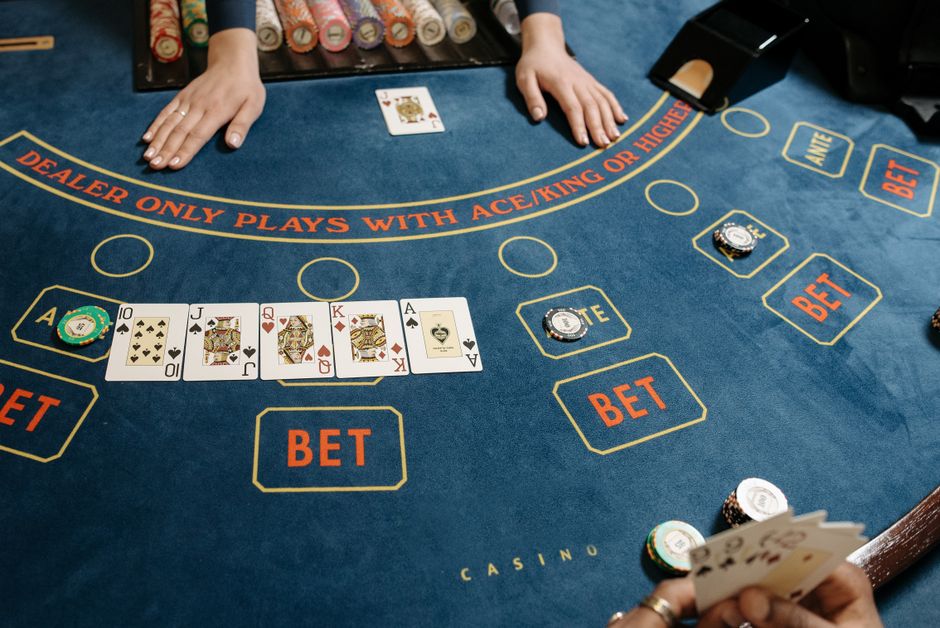
There's a moment every gambler knows. The cards are dealt, the reels are spinning, or the ball is about to drop — and your brain is screaming that you know what's coming next. Sometimes you're right. Often you're not. The gap between those two outcomes is where the entire iGaming industry lives, and understanding it is the difference between playing for fun and playing for a slow, painful lesson in probability.
Let's skip the hype and the doom-scrolling. Whether you're into slots, poker, or sports betting, there's real, useful knowledge that separates a sharp player from a sucker. Here's what actually matters.
Poker Tells Aren't What the Movies Taught You
Hollywood loves a twitching eyebrow or a shaking hand. Real poker tells are subtler and, frankly, more boring — but they're also more reliable. The most consistent behavioral tells aren't about nervousness at all. They're about timing and betting patterns.
Consider this: a player who usually acts in two seconds suddenly tanks for fifteen seconds before calling. That pause often means they're holding a strong hand they're trying to disguise. Conversely, the classic "Hollywooding" move — someone takes forever to call with the nuts — is designed to make you think they're weak. It works on amateurs constantly. trangcacuocbongda.in.net offers a practical breakdown of the topic.
Here are a few tells that hold up across live and online poker:
- Bet sizing consistency: Weak players size bets emotionally. A $7 bet into a $60 pot on the river with a marginal hand is usually a blocker bet, not value.
- Timing snaps: Instant calls on scary boards are often draws or middle pairs, not monsters. Monsters usually pause because the player is deciding how much to raise.
- Chip handling: In live games, the way a player stacks chips can reveal comfort. Sloppy, mixed stacks often mean a recreational player who's more focused on the game state than their chip count.
- Chat behavior online: Players who suddenly start typing or stop typing at showdown often have reason to be self-conscious — usually because they're bluffing or got caught.
The real skill is combining reads with math. A tell is just one data point. If pot odds say call and the tell says fold, you've got to weigh which is stronger — and usually, over a long session, the math wins.
Slot Variance: Why Your Favorite Machine Feels Rigged
Slots don't hate you. They're not due. And they're not about to pay out just because they haven't in an hour — they don't remember the last spin any more than a coin remembers the last flip.
Every modern slot is built on a Random Number Generator (RNG), and each spin is statistically independent. What people actually experience when they feel wildly hot or cold is variance, a concept that's easy to understand and nearly impossible to feel intuitively.
Here's a concrete example. Suppose a slot has a 96% Return to Player (RTP). That means, over millions of spins, it returns 96 cents on every dollar wagered. It says nothing about your next 100 spins. A high-volatility slot might pay nothing for 200 spins and then dump a 5,000x win. A low-volatility slot pays small amounts constantly. Neither is "better" — they're just different rides.
Three things worth knowing before you spin:
- RTP is long-term, not per-session. A 96% RTP slot can absolutely eat your $200 bankroll on a Tuesday night. Most players' sessions are too short for RTP to matter much.
- Volatility shapes your experience more than RTP. If you like long, steady play, low volatility is your friend. If you want the chance at a life-changing hit, high volatility is the only path — with the caveat that you'll bust more often.
- Bonus buy features change the math. Buying a free spins feature for 100x your stake doesn't guarantee a return. It's a bet on a specific probability distribution, and the house edge is embedded in the price.
The honest truth is that slots are entertainment with a negative expected value. If you enjoy them, treat the money you spend like a movie ticket — gone, in exchange for a few hours of fun. Chase losses and the math turns brutal fast.
The Line Between Sharp and Stupid in Sports Betting
Sports betting is where casual fans lose the most money without realizing how badly they're doing it. The reason isn't bad luck. It's vigorish — the built-in cut the sportsbook takes on every wager.
On a standard -110 spread bet, you risk $110 to win $100. That's a 4.55% house edge if you're a coin-flipper. Win 50% of your bets and you still lose money. To break even at -110, you need to win about 52.4% of the time. That extra 2.4% seems small. Over a year of bettors, it's the entire industry's profit margin.
So what separates a sharp bettor from a recreational one?
- Line shopping: The same game at three books can vary by half a point or 20 cents of juice. Sharps open multiple accounts and always take the best price.
- Closing line value: If you consistently bet numbers that later move in your favor, you're beating the market, regardless of short-term results.
- Specialization: Pros rarely bet across every sport. They focus on one league or one market type and learn it cold.
- Bankroll discipline: A common guideline is 1-2% of your bankroll per bet. Bet 10% units and a normal cold streak wipes you out.
The bettors who make money aren't the ones who "know sports." Plenty of people know sports and lose. The winners treat betting as a math problem where emotion is the enemy.
RNGs, Licenses, and Why 'Provably Fair' Actually Means Something
One of the biggest changes in iGaming over the last decade is transparency. In the early online casino days, players just had to trust that the software was fair. Today, regulated markets require independent audits from labs like eCOGRA, GLI, or BMM. If a casino is licensed by a reputable authority — the UK Gambling Commission, Malta Gaming Authority, or Gibraltar — its RNGs are tested regularly.
Even more interesting is the rise of provably fair systems, especially in crypto casinos. These use cryptographic hashing so players can verify after the fact that a game's outcome was predetermined and not tampered with. It's not something most players ever check, but it's a meaningful step toward trustless gambling.
If you're choosing an operator, here's a simple sanity checklist:
- Is there a real gambling license displayed, with a verifiable number?
- Are RTPs published for each slot — or at least for the game library overall?
- Are withdrawal terms clear, with no absurd wagering requirements hiding in the fine print?
- Are independent reviews consistent, especially about payment speed?
The Bottom Line
Nobody beats the house forever. Not in slots, not in poker, not even — despite what the Twitter gurus claim — in sports betting. The question isn't whether the odds favor the operator. They do. The question is whether you're the kind of player who understands that and still finds the game worth playing, using strategy to sharpen the edges and discipline to keep the losses in your comfort zone.
Poker rewards skill more than any other game here, which is why it's the one form of gambling where a dedicated player can genuinely profit long-term. Slots and most casino games are pure entertainment with a guaranteed mathematical cost. Sports betting sits in between — beatable for a small minority, punishing for the rest.
Know which one you're playing. Set your limits before you sit down. And never, ever let a bad beat convince you the machine owes you one. That's the real tell — and it's one nobody wants to admit they have.

Joeby Ragpa
This template is so awesome. I didn’t expect so many features inside. E-commerce pages are very useful, you can launch your online store in few seconds. I will rate 5 stars.
ReplyAlexander Samokhin
This template is so awesome. I didn’t expect so many features inside. E-commerce pages are very useful, you can launch your online store in few seconds. I will rate 5 stars.
ReplyChris Root
This template is so awesome. I didn’t expect so many features inside. E-commerce pages are very useful, you can launch your online store in few seconds. I will rate 5 stars.
Reply