
The House Always Wins? Why Smart Players Still Love the Game

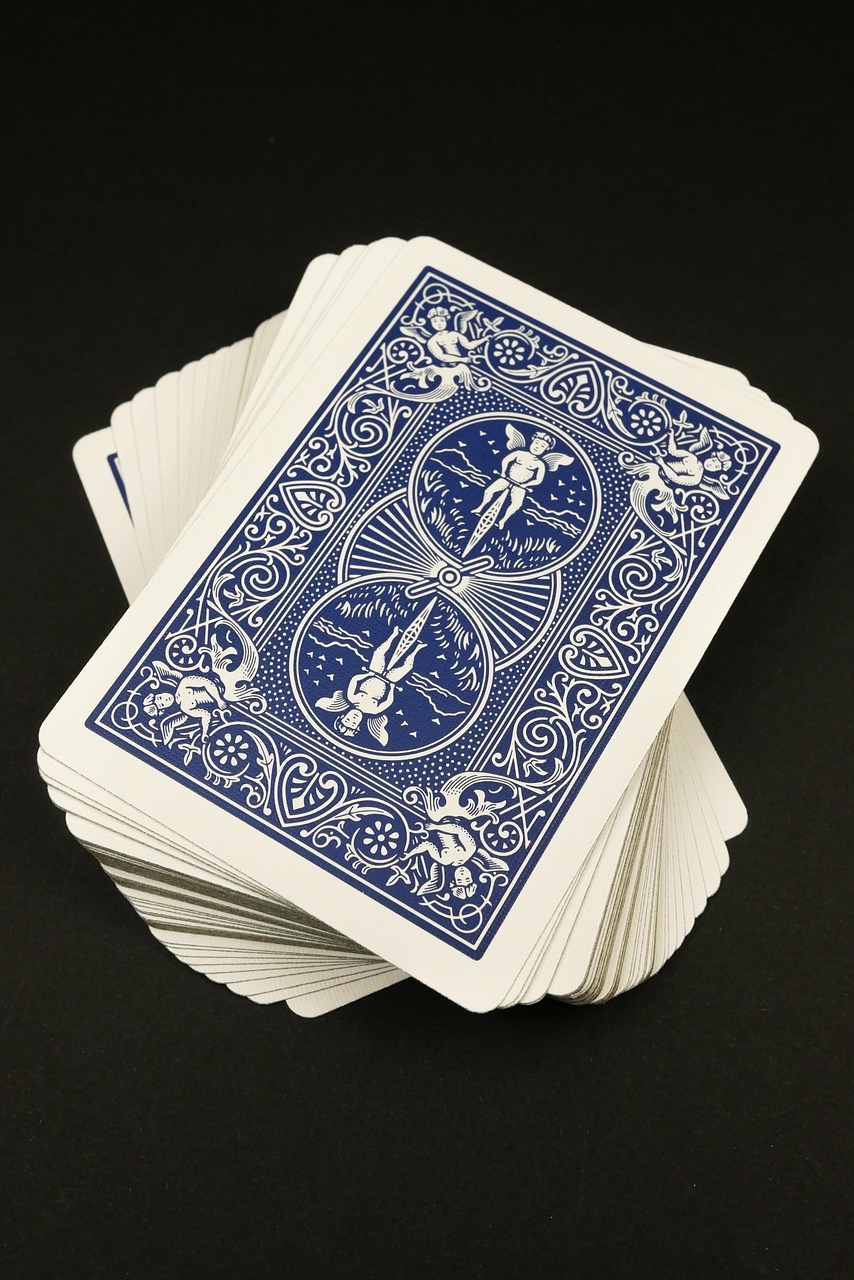
The first time you watch a roulette wheel spin, something primal happens. Your pulse quickens, your focus narrows, and for a few seconds the rest of the world disappears. That feeling isn't an accident. It's the product of centuries of game design, psychology, and mathematics working in perfect harmony. Whether you're spinning slots at 2 a.m., bluffing your way through a poker tournament, or sweating a parlay on Sunday afternoon, you're participating in one of the oldest and most sophisticated entertainment ecosystems on the planet.
But here's the uncomfortable truth most casual players never fully absorb: the house doesn't beat you because it's lucky. It beats you because it's patient. Understanding why that matters is the difference between being a mark and being someone who actually enjoys the game on their own terms.
The Math You Can't Outrun (And Why That's Okay)
Every casino game carries a built-in edge for the operator. Blackjack with perfect basic strategy? Roughly 0.5% house advantage. European roulette? 2.7%. American roulette, with that extra double-zero pocket? A punishing 5.26%. Slot machines vary wildly but often sit between 2% and 10%, depending on the jurisdiction and the machine's RTP setting.
This edge is not a scam. It's the business model. Casinos aren't charities, and the moment you accept that the house takes a cut, you stop chasing phantom systems and start treating gambling like what it actually is: paid entertainment with a chance of a payout. Many readers start with สล็อตเว็บตรง when comparing options.
Where players get into trouble is confusing variance with skill. In the short term, anyone can win. A friend of mine once turned $50 into $1,800 on a low-volatility slot in under an hour. He also gave it all back over the next three sessions, because he started believing he'd cracked the code. Variance is a cruel teacher.
Slots: Volatility Is the Only Stat That Matters
Modern slot machines are marvels of engineering. You'll see terms like RTP (return to player), hit frequency, and volatility tossed around, but most players fixate only on the RTP number. That's a mistake.
- Low volatility slots pay small amounts often. Think 90%+ RTP with a 30-40% hit rate. Great for stretching a bankroll.
- Medium volatility balances occasional wins with moderate risk. This is the sweet spot for most casual players.
- High volatility slots can go 200+ spins without a meaningful payout, then hit for 5,000x. These are the games that produce viral screenshots and broken bankrolls in equal measure.
Here's a concrete tip: check the slot's help screen before you spin. Reputable developers publish RTP and volatility data. If a game advertises a 96.5% RTP but you're betting $2 a spin with a $100 budget, you're mathematically unlikely to see that return in a single session. RTP is a long-run average across millions of spins, not a promise to you personally.
Poker: The One Game Where Skill Actually Shifts the Curve
Poker occupies a strange space in the gambling world. Yes, it's gambling. Yes, luck matters enormously in the short term. But over thousands of hands, the better player wins. Full stop. That's why professional poker players exist and professional slot players don't.
The key concepts every serious player eventually internalizes:
- Position is power. Acting last gives you information the earlier players don't have. Playing tight from early position and loosening up on the button is fundamental.
- Pot odds dictate decisions. If you're drawing to a flush and the pot is offering you 4:1 on a call, you need better than 4:1 to make it profitable. This isn't opinion; it's arithmetic.
- Bankroll management is non-negotiable. A common rule is 20 buy-ins for cash games and 50-100 for tournaments. Ignore it and one bad run ends your hobby.
- Reads beat cards. At live tables, how someone bets tells you more than what they're holding. Online, tracking software and hand histories serve the same purpose.
The poker boom of the mid-2000s made household names out of amateurs who understood these principles. Two decades later, the ecosystem is tougher, but the underlying truths haven't changed.
Sports Betting: Where Information Is the Edge
Sports betting has exploded since the U.S. Supreme Court struck down the federal ban in 2018. Nearly 40 states now offer some form of legal wagering. With that growth has come a flood of new bettors who don't understand how lines are set.
Bookmakers aren't guessing. They employ quantitative analysts who model every variable: injuries, weather, travel schedules, historical matchups, even referee tendencies. The line you see reflects all of that, plus a margin (the vig) typically around 4-5% on standard -110 bets.
To actually beat the closing line consistently, you need either superior information or a mathematical model that outperforms the market. Most recreational bettors have neither, and that's fine, as long as they bet for fun and not for rent money. The bettors who genuinely profit tend to specialize narrowly, tracking one sport, one conference, or even one team, and they exploit soft lines before they adjust.
The Discipline Problem Nobody Talks About
Walk through any casino floor and you'll see the same scene: someone chasing losses, doubling down after a bad beat, convinced the next spin is theirs. This isn't a character flaw; it's a designed response. Variable ratio reinforcement, the same psychological mechanism that makes social media addictive, is baked into every game.
The players who last, and who actually enjoy themselves, build guardrails before they sit down. Some practical ones:
- Set a hard loss limit and a time limit before you start, and stick to both.
- Separate gambling money from everything else. Never touch rent, savings, or credit cards.
- Take real breaks. Leave the table, walk outside, eat something.
- Never play to fix a bad mood. Tilt is the most expensive emotion in the building.
Reputable operators now offer deposit limits, session timers, and self-exclusion tools. Using them isn't a sign of weakness; it's the same logic as setting a spending cap before a night out.
Final Thoughts: Play the Game, Don't Let It Play You
iGaming is a fascinating corner of entertainment, part math, part psychology, part pure adrenaline. The slots, the felt, the roar of a crowd when a long-shot hits, none of it is going away. Nor should it. What matters is how you approach it.
Learn the odds. Respect the variance. Specialize if you're serious, and stay humble if you're not. The house will keep its edge, that's certain. But the player who understands the game, manages their bankroll, and walks away when they said they would? That player has already won something the casino can't take back: control.

Joeby Ragpa
This template is so awesome. I didn’t expect so many features inside. E-commerce pages are very useful, you can launch your online store in few seconds. I will rate 5 stars.
ReplyAlexander Samokhin
This template is so awesome. I didn’t expect so many features inside. E-commerce pages are very useful, you can launch your online store in few seconds. I will rate 5 stars.
ReplyChris Root
This template is so awesome. I didn’t expect so many features inside. E-commerce pages are very useful, you can launch your online store in few seconds. I will rate 5 stars.
Reply